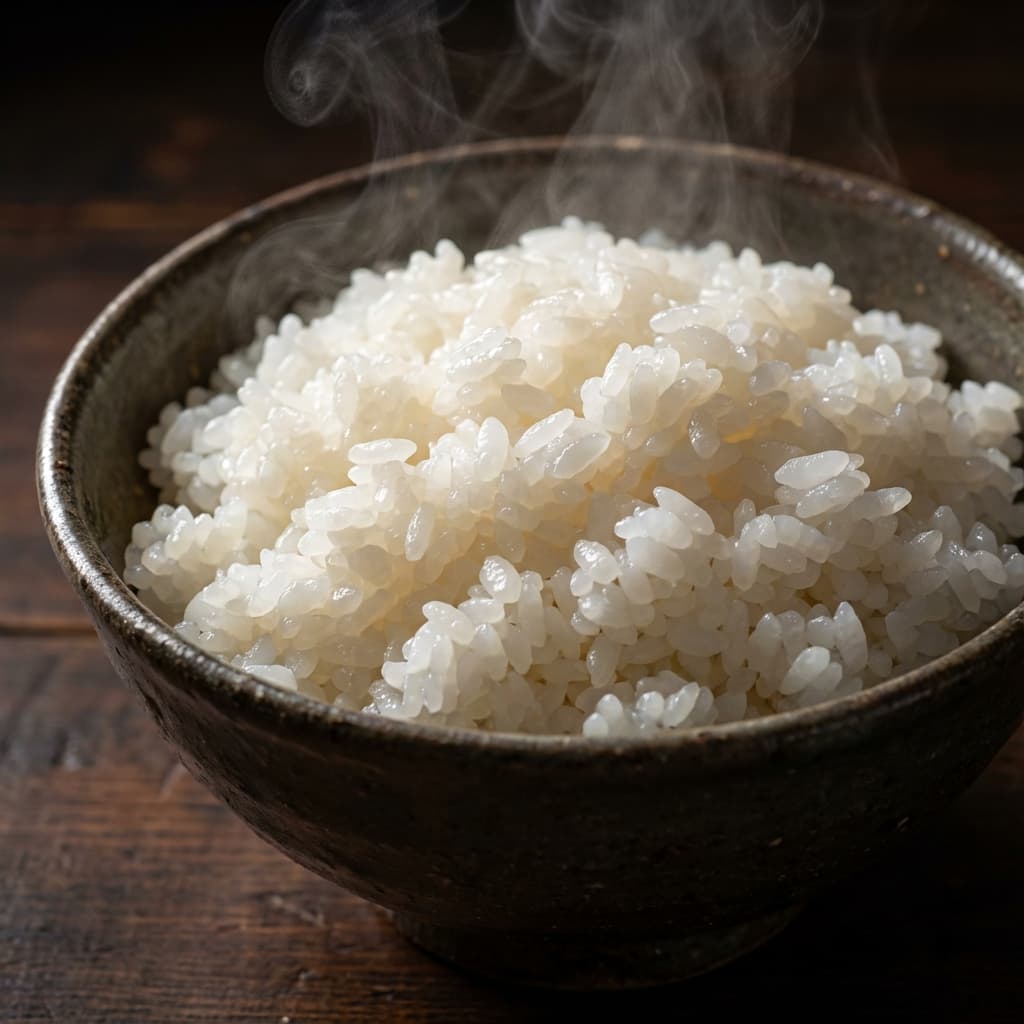
A donburi is only as good as its rice. While toppings get the glory, the rice is the foundation that makes or breaks every bowl. Here's what separates exceptional don rice from the ordinary.
The Right Rice Variety
Japanese short-grain rice (Japonica) is non-negotiable. Its higher starch content creates the slightly sticky texture that allows grains to hold together when picked up with chopsticks, while still maintaining individual grain integrity.
Premium varieties like Koshihikari, Akitakomachi, and Hitomebore each have subtle differences in sweetness, stickiness, and aroma. Top don restaurants specify their rice variety just as carefully as they source their proteins.
- Koshihikari: The gold standard. Sweet, slightly sticky, with excellent flavor retention even as it cools.
- Akitakomachi: Softer texture, works beautifully with saucy toppings like Gyu Don.
- Hitomebore: Firm and clean-tasting, ideal for Kaisen Don where you don't want the rice to overpower the fish.
The Washing Ritual
Rice washing is where many home cooks (and lesser restaurants) cut corners. Proper washing removes excess surface starch that would otherwise make the rice gummy.
The traditional method involves gentle washing in cold water, repeated 4-5 times until the water runs mostly clear. Over-aggressive washing damages the grains; too little leaves excess starch. The final rinse should be quick – rice absorbs water rapidly, and waterlogged grains cook unevenly.
The Soaking Period
After washing, rice should soak for 30 minutes to an hour. This allows water to penetrate to the core of each grain, ensuring even cooking. Skip this step and you'll have rice that's mushy on the outside, chalky in the center.
Some high-end restaurants soak their rice for specific times depending on the season – less in humid summer months, more in dry winter. This level of attention separates good from exceptional.
The Water Ratio
The standard ratio is 1:1.1 (rice to water by volume), but this varies based on rice variety, age of the rice (older rice needs more water), and desired texture. For donburi specifically, slightly less water creates firmer rice that better absorbs sauce without becoming mushy.
Kaisen Don often uses sushi rice – cooked rice seasoned with vinegar, sugar, and salt. The seasoning is added while the rice is hot and then fanned to cool it quickly, creating that distinctive glossy appearance and tangy flavor.
The Resting Phase
After cooking, rice should rest for 10-15 minutes with the lid on. This allows moisture to redistribute evenly. Then, using a rice paddle, gently fold the rice from the outside in – never stir, which breaks grains and releases starch.
Temperature Matters
For most don, rice should be served hot. The heat helps sauce penetrate and creates that comforting, steaming bowl experience. Exceptions include Kaisen Don, where room-temperature or slightly warm sushi rice prevents the raw fish from cooking on contact.
Rice by Don Type
- • Gyu/Buta/Katsu Don: Hot, plain rice. Slightly firm to absorb sauce.
- • Kaisen Don: Room temp sushi rice, lightly seasoned.
- • Unagi Don: Hot rice, sometimes with sansho mixed in.
- • Ten Don: Hot, plain rice. Not too wet to keep tempura crispy.
- • Oyako Don: Hot rice, ready to absorb the egg and dashi.